
BIM Implementation Services
Adopt BIM with a structured, standards-driven approach aligned to global practices like ISO 19650 to ensure scalable, compliant, and efficient project delivery
Introduction
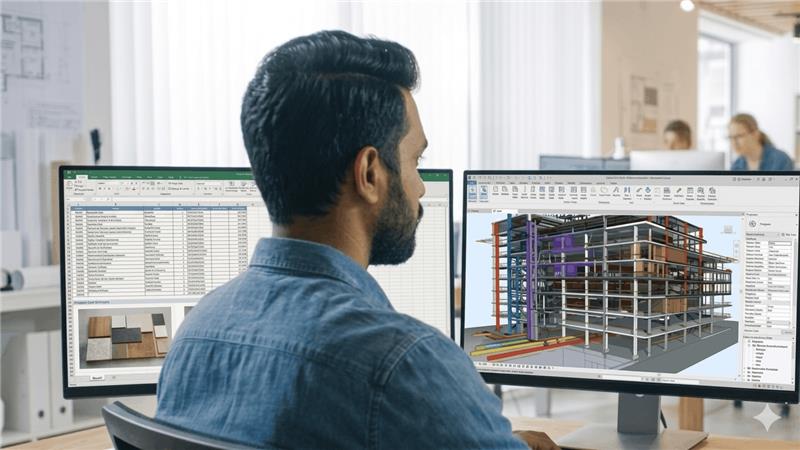
With CCTech, AEC organizations around the globe can implement BIM as an expandable project delivery methodology. This can be achieved through our BIM implementation services. We translate strategy into execution through standardized processes, workflows, and collaboration models. This ensures constant and effective project delivery.
From the global AEC industry perspective, there is more pressure from governments and large-scale asset owners to implement BIM to achieve successful projects and asset management.
Critical Issues
No methodology for BIM implementation; only BIM tools are considered
Lack of uniform workflows per project/team.
Lack of coordination among several participants.
No coordination methodology
Our Approach
What We Deliver
- Roadmap and strategy for BIM Implementation
- Development of BIM Execution Plan (BEP) and its implementation
- Coordination of workflow for the project
- Modeling and information standardization
- Assignment of roles and responsibilities and the coordination process
- Creation of the collaborative environment (if applicable according to ACC/CDE)
- Onboarding of project stakeholders
Reasons for the Use of BIM
- Regulatory Compliance: Governments worldwide mandate BIM adoption aligned with standards like ISO 19650
- Improved Coordination: Enables better collaboration across multidisciplinary teams
- Enhanced Project Efficiency: Reduces delays, errors, and rework through structured workflows
- Lifecycle Asset Management: Supports digital asset tracking from design to operations
- Data-Driven Decision Making: Provides accurate and real-time project insights
- Competitive Advantage: Helps organizations stay relevant in a rapidly digitizing AEC industry
Example Scenario
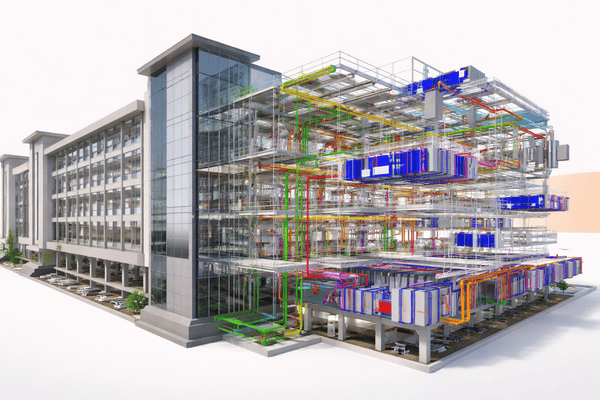
An EPC company approached CCTech to implement BIM for several of its projects. The company has achieved consistent project execution, coordination improvements, and shortened project cycle times. This has been made possible through our standardized workflows and stakeholder coordination.
CCTech introduced standardized BIM processes and established a centralized collaboration environment. This improved model accuracy and information exchange. Additionally, the company benefited from structured review cycles, reduced design conflicts, and faster decision-making through improved data visibility. The implementation also enhanced accountability by clearly defining roles and responsibilities across teams. Over time, the organization achieved improved project predictability, reduced cycle times, and established a scalable BIM framework
- Rework reduction by up to 20-30% with better coordination
- Better visibility and control across stakeholders
- Streamlined and standardized delivery process
- Scalable implementation across programs and portfolios
- Extensive expertise implementing BIM for AEC projects
- Extensive Autodesk ecosystem knowledge
- Ability to coordinate BIM and enterprise processes
- Emphasis on implementation as opposed to pure tool setup
What is BIM consulting?
BIM consulting helps organizations implement structured digital workflows for design and construction.
Why is BIM important?
BIM improves coordination, reduces errors, and enhances project efficiency.
What industries use BIM?
AEC, infrastructure, real estate, and industrial projects widely use BIM.
How does BIM improve collaboration?
It enables shared models and real-time coordination across teams.
Can BIM reduce project costs?
Yes, by minimizing rework and improving planning accuracy.
What is a Common Data Environment?
A centralized platform for managing and sharing project data.
How long does BIM implementation take?
It depends on project size, but typically ranges from weeks to months.
Is BIM suitable for small projects?
Yes, BIM can scale to projects of any size.
What tools are used in BIM?
Tools like Revit, Navisworks, and cloud platforms are commonly used.
Do you provide BIM training?
Yes, training and onboarding are part of BIM consulting services.