





Tuesday, January 20, 2026
Design Automation in Construction Management: Transforming Planning, Design and Execution
By
Shubham Dom
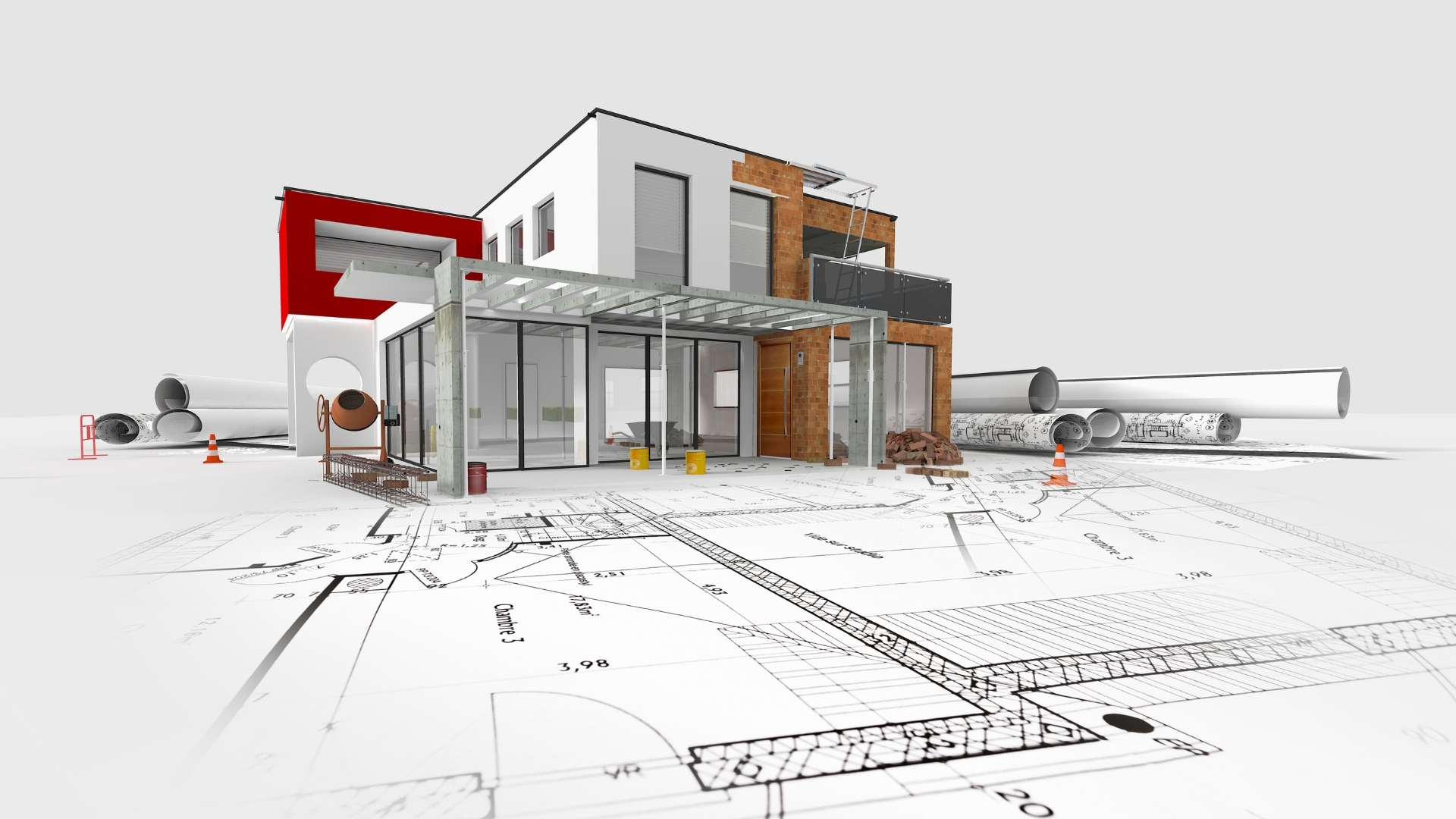
The construction sector is in the midst of a swift process of digitization. Project have been getting bigger and more complex, yet manual design isn’t keeping it with tight timelines, cost pressures and quality expectations. This is where construction management design automation has become a critical enabler, making it easier for teams to automate their design workflows, reduce errors, and enhance project outcomes.
What is Design Automation in the Construction Management?
Design automation is use of rule-based logic, algorithms and parametric models at concept formation stage (design level) to automatically generate both construction designs itself as well as (completely or partially) process to implement design. It is commonly linked with CAD and BIM backbone system in project planning/engineering/execution lifecycle. Teams can now eliminate recreating repetitive design elements such as standard layouts, computations and code checks by automation. All this can be done in a fraction of the time.
Why Design Automation is Critical?
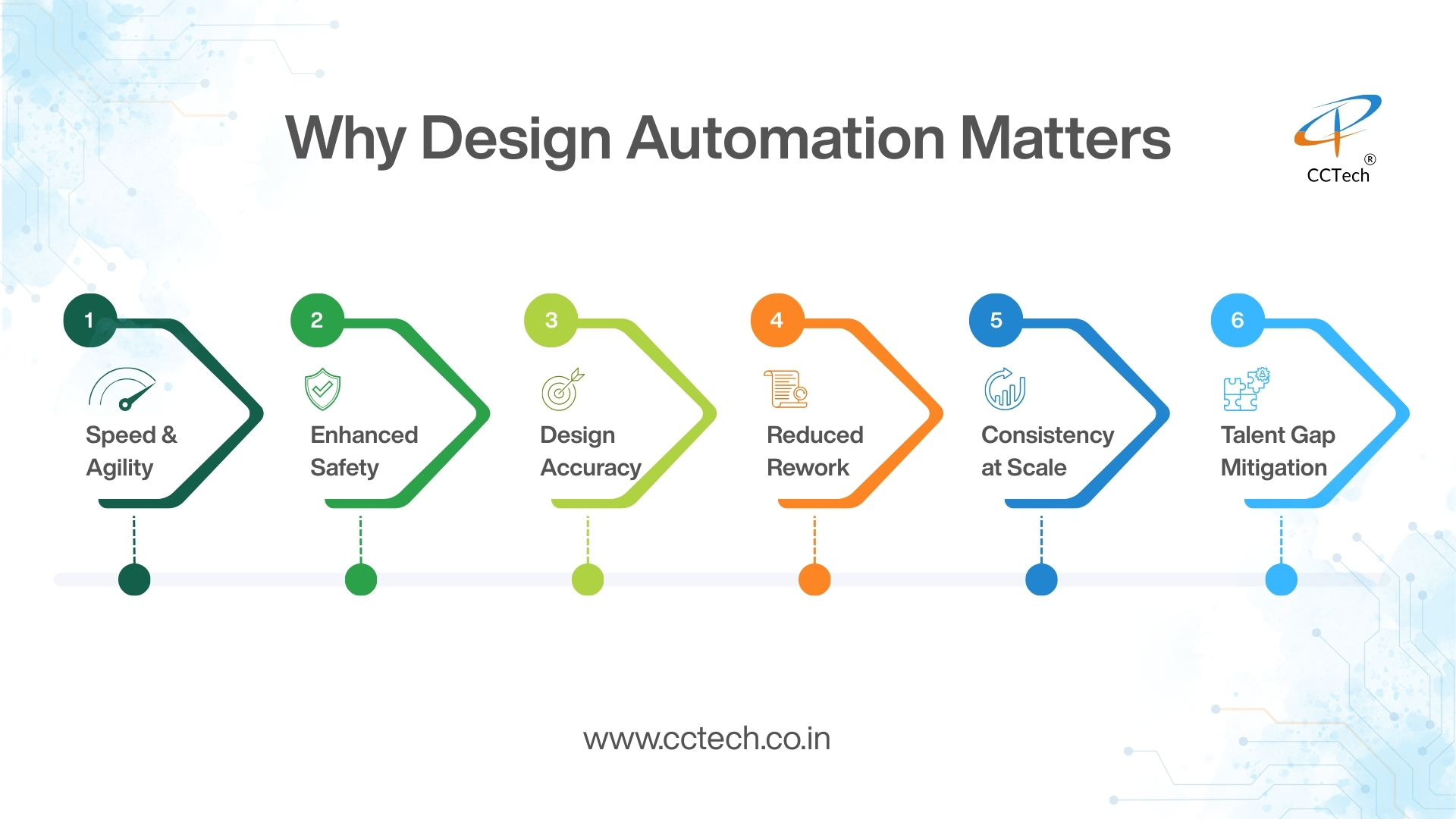
Today's building projects require - speed, safety, strength and flexibility. Manual design processes are inherently error-prone and time consuming, often requiring significant levels of rework. Design automation allows construction managers to react more quickly to changes in designs, manage bottleneck resources and maintain consistency across projects. Additionally, it combats the shortage of qualified design professionals across the industry by enabling teams to scale production capacity without scaling headcount.
Main Applications of Design Automation in the Construction Industry
- Automatic layout and planning are one of the typical uses of design automation. Site arrangements, floor plans and routing analysis can be automated according to pre-determined rules and constraints.
- Another key application is the automated generation of designs driven by BIM, where such workflows build and update BIM models to meet building codes, standards and project-specific requirements.
- Design automation facilitates design validation and clash detection, to catch constructability issues at an early stage before reaching site. This saves costly remodelling during the construction phase.
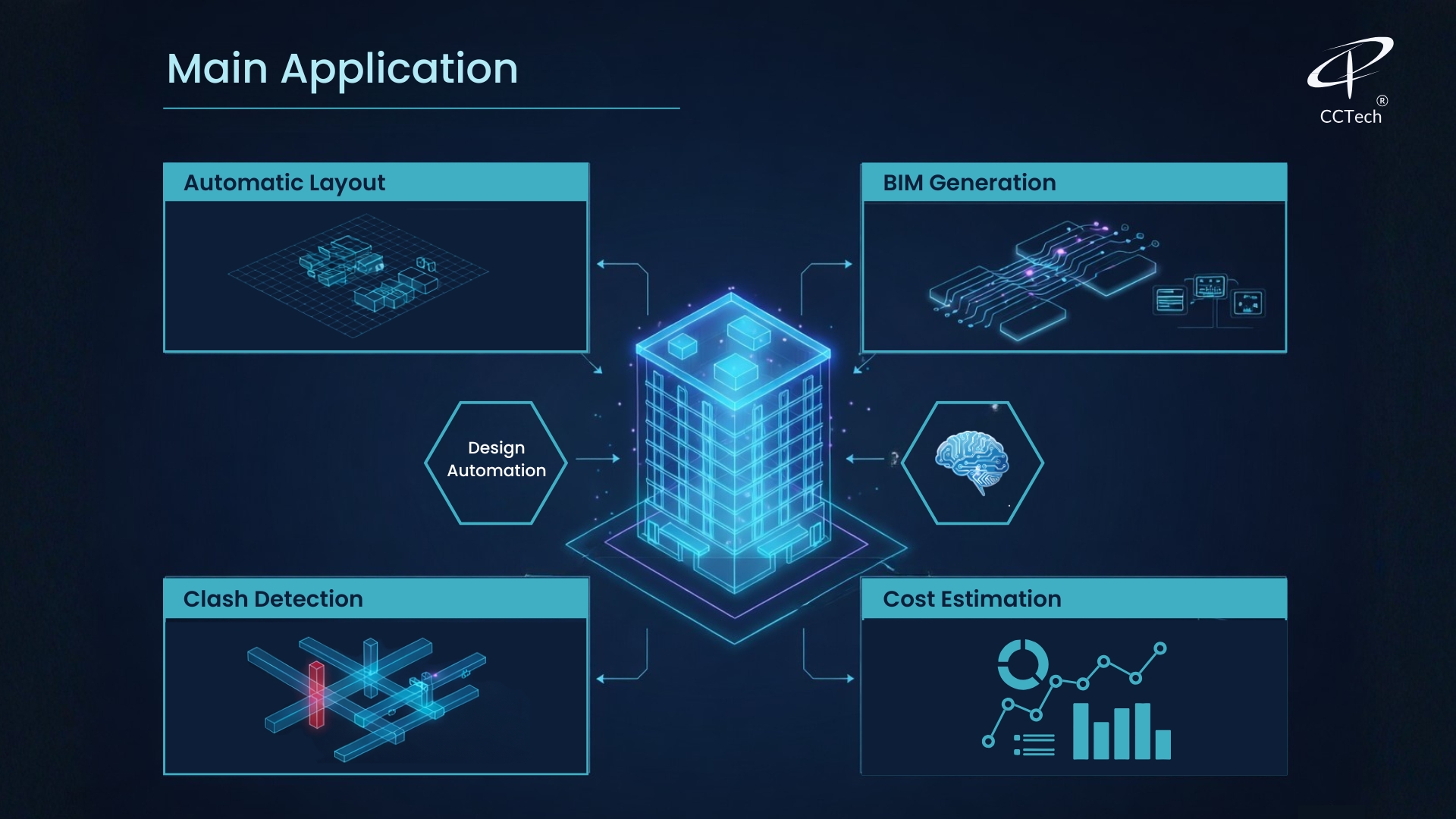
Moreover, computer-aided designs have real-time quantity take-off and cost estimation functionality so that construction managers could make informed decisions at the early hours of start of a project.
Advantages of Design Automation for the Construction Managers
Design automation in the construction management has its own benefits. This results in streamlined project memorandum and faster decision-making, thus benefiting the overall design schedule. Automated design processes eliminate mistakes and improve design-accuracy. Communication is enhanced when everyone can design from the same accurate plan data.The accessibility of design automation allows for scalability. Contracting or construction companies are no longer limited to few projects at a time without severely compromising quality.
Prospects of Design Automation in Building Administration
Design automation is the future, and it will be driven by AI, generative designs, and digital twins. As the capabilities of these technologies advances, construction management will transition to smarter, more predictive and fully connected processes. And design automation will become a core capability, not a competitive advantage.
Conclusion
Considering today’s tech-driven scenario, design automation in construction management has become the necessity. By increasing speed, accuracy, and scale, it puts the power to deliver better projects at lower risk in the hands of construction leaders.Design companies investing in automation today, will be prepared for success in the era of digital construction.
About author
Shubham Dom
Shubham Dom is the Manager of the AECO business, driving Autodesk AECO and Autodesk Construction Cloud (ACC) solutions across India, Asia, and the Middle East. He focuses on building end-to-end digital construction management ecosystems, with ACC as the core platform integrated with custom applications and enterprise systems. He specializes in custom software development, Autodesk customization, and scalable platform design, delivering BIM-led and data-driven solutions.
Comments
Recent posts